
Garmin Connect IQ App: A Case Study Instead of a Closed API
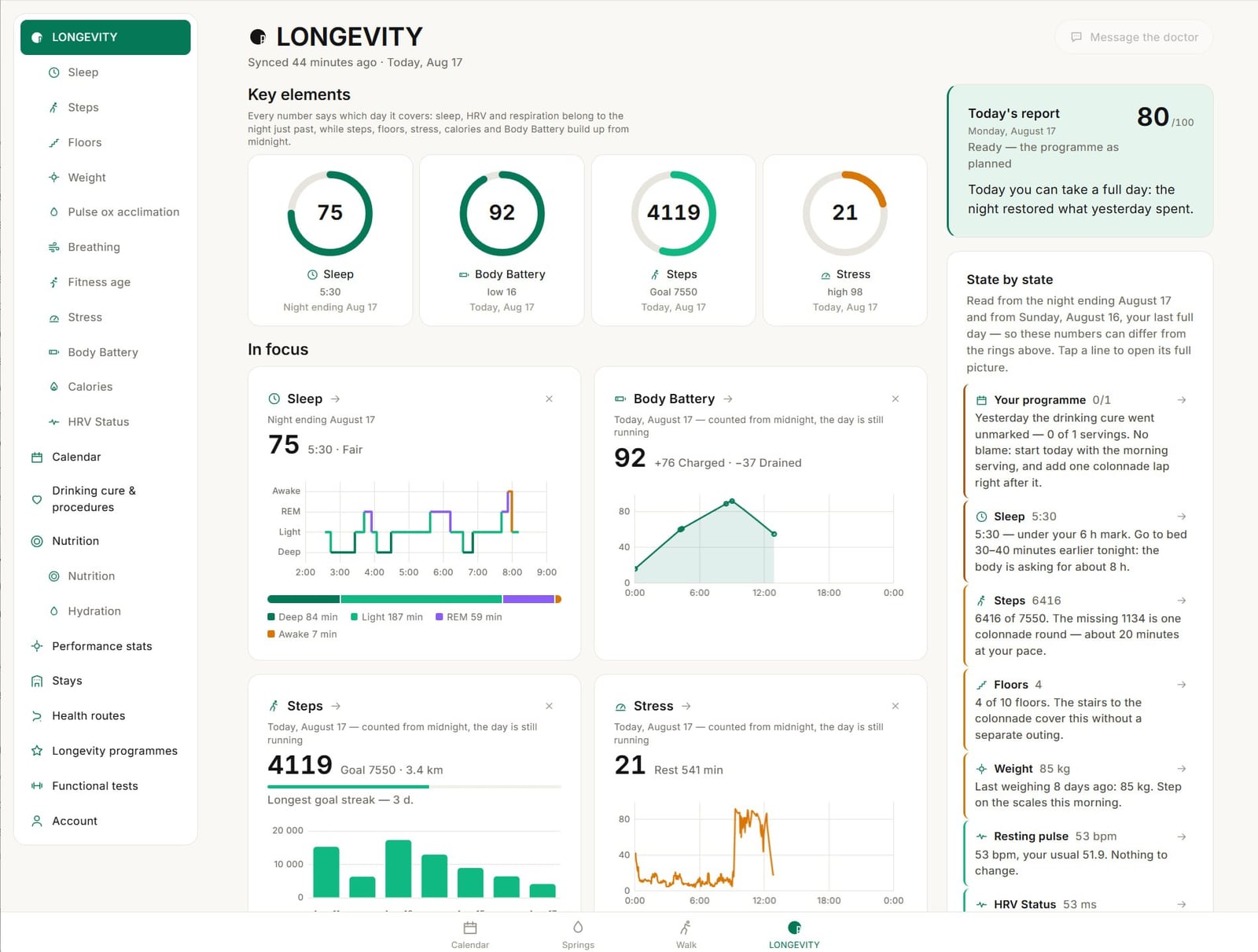
A preventative medicine and personal health monitoring platform was designed to collect data from guests' smartwatches. The developer chose Garmin as a global leader with a full set of certifications for Europe. However, they almost immediately encountered restricted access to its API—the channel through which third-party services typically automatically obtain data from the device.
Every week, the author's Telegram channel publishes new cases and approaches to AI development. You can subscribe here: t.me/promtvibeadd.
Why was Garmin the only choice for this project?
The device needed to be certified in Europe to collect health data—this narrowed the choice right away. Garmin is more convenient than its competitors in this regard: it has a full package of certifications recognized in the EU.
In the developer's experience, EU requirements for medical data affect not only device selection but also the surrounding infrastructure: even hosting services automatically block resources if a number of strict EU requirements are not met. An analysis of medical software certification itself is the subject of a separate post by the author; here, it is important only as a reason why Garmin was the preferred option.
What did Garmin respond to the API access request?
A developer submitted a request to Garmin Connect Developer, hoping to purchase API access and use it to build metrics visualizations. The response came quickly, but not as expected: Garmin stated that review and approval of new API access requests was temporarily suspended.
Next, a routine search of specialized forums took over. According to the developer, access would likely not be available before the summer of 2027. For a project already under construction, this meant a real dead end unless another solution was found.
Why didn't you switch from Garmin to a brand with an open API?
The developer himself proposed a logical approach to the client: since Garmin's API is closed, they should use a device from another manufacturer with open access. The client declined—the post doesn't disclose the exact reason.
Most likely, the issue stems from the same certification. Changing the brand would solve the API issue, but it would create a new, more difficult task: re-validating the device's compliance with the European medical data requirements that had initially led to Garmin's selection. Staying with Garmin and finding a workaround seemed cheaper than changing the device and re-certifying.
How to work around this issue with Garmin Connect IQ
Instead of API integration, a solution was found in the Garmin Connect IQ ecosystem—a store of mini-apps that install directly on the watch and operate according to rules defined by Garmin itself. Such an app can be published without API access: it resides on the device and communicates directly with the server through the app's code.
When the official route is closed and waiting until 2027 isn't an option, people look for this kind of workaround—one that avoids months of waiting for the vendor's decision on their application. Similar logic underlies 1001site AI: its AI agent builds a website or online store based on your link or description in just a few minutes.
| Garmin Official API | Garmin Connect IQ App | |
|---|---|---|
| Access | Closed to new applications (author's estimate: not until summer 2027) | Open to any developer through the Garmin Connect IQ toolkit |
| What do you get? | A ready-made data channel without developing an app on the watch | Full control over the screen and logic, but you write the code yourself |
| Moderation | Not required (there is no access anyway) | Garmin must verify the product before publishing it in the store. |
| Opening date | For an indefinite period (the author's estimate is no earlier than 2027) | It depends only on development and moderation, and not on the vendor's decision on the application. |
What do the two Garmin-approved apps do?
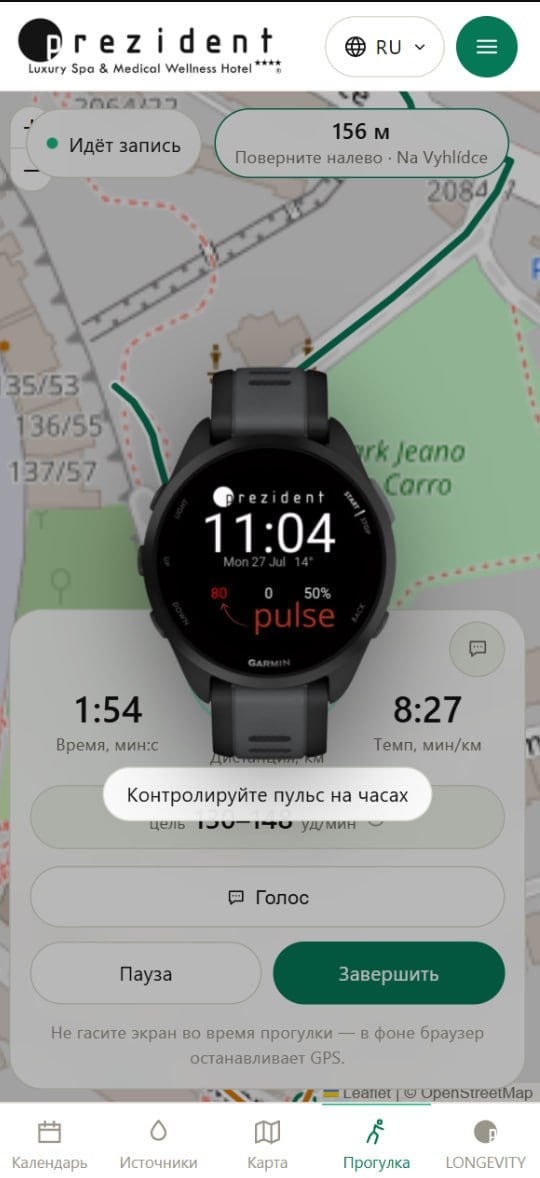
The team developed two separate apps for the Connect IQ ecosystem, both of which passed Garmin's approval: a custom watch face featuring key metrics and the client hotel's logo, and an app for syncing and sharing data with the platform. According to the Garmin Connect IQ Store, they are called Longevity President Face and Longevity President, and were developed by Longevity.
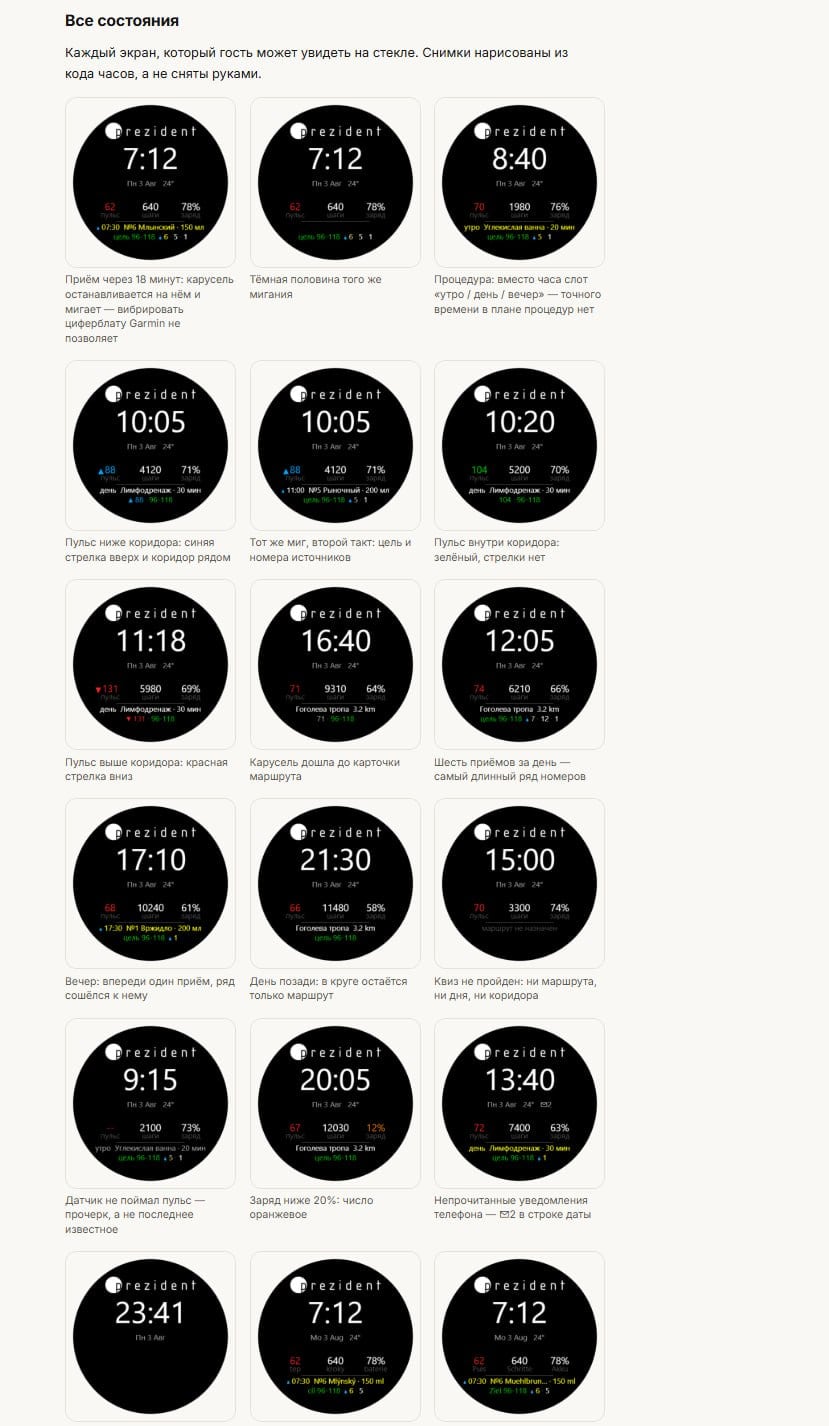
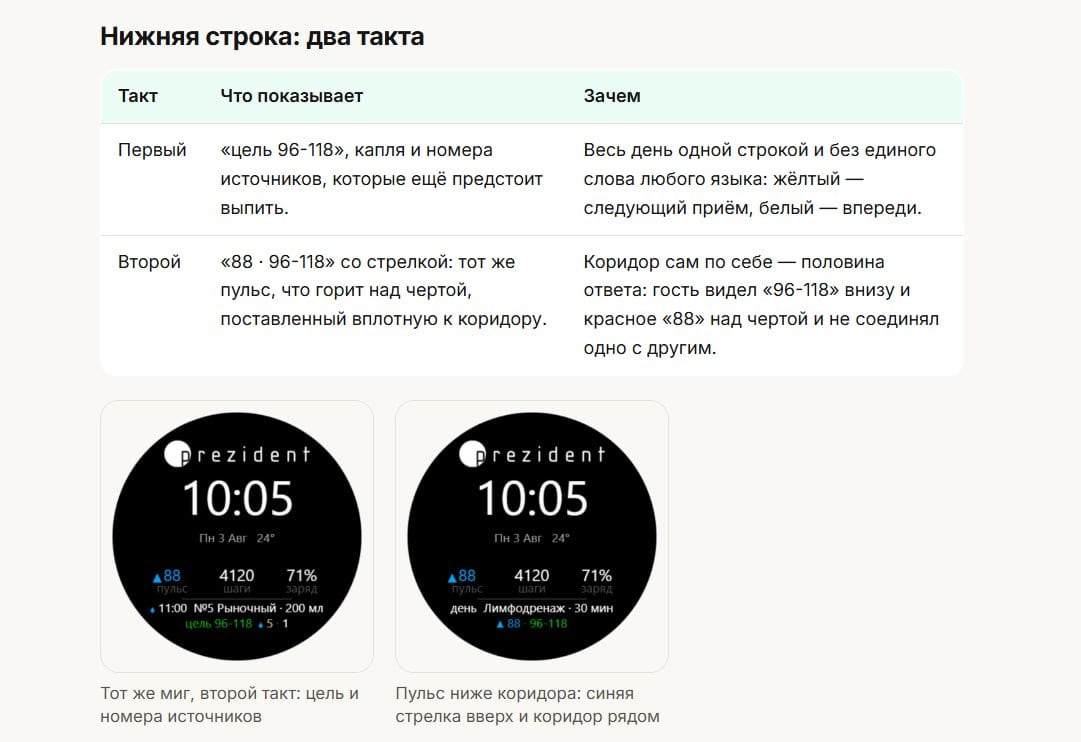
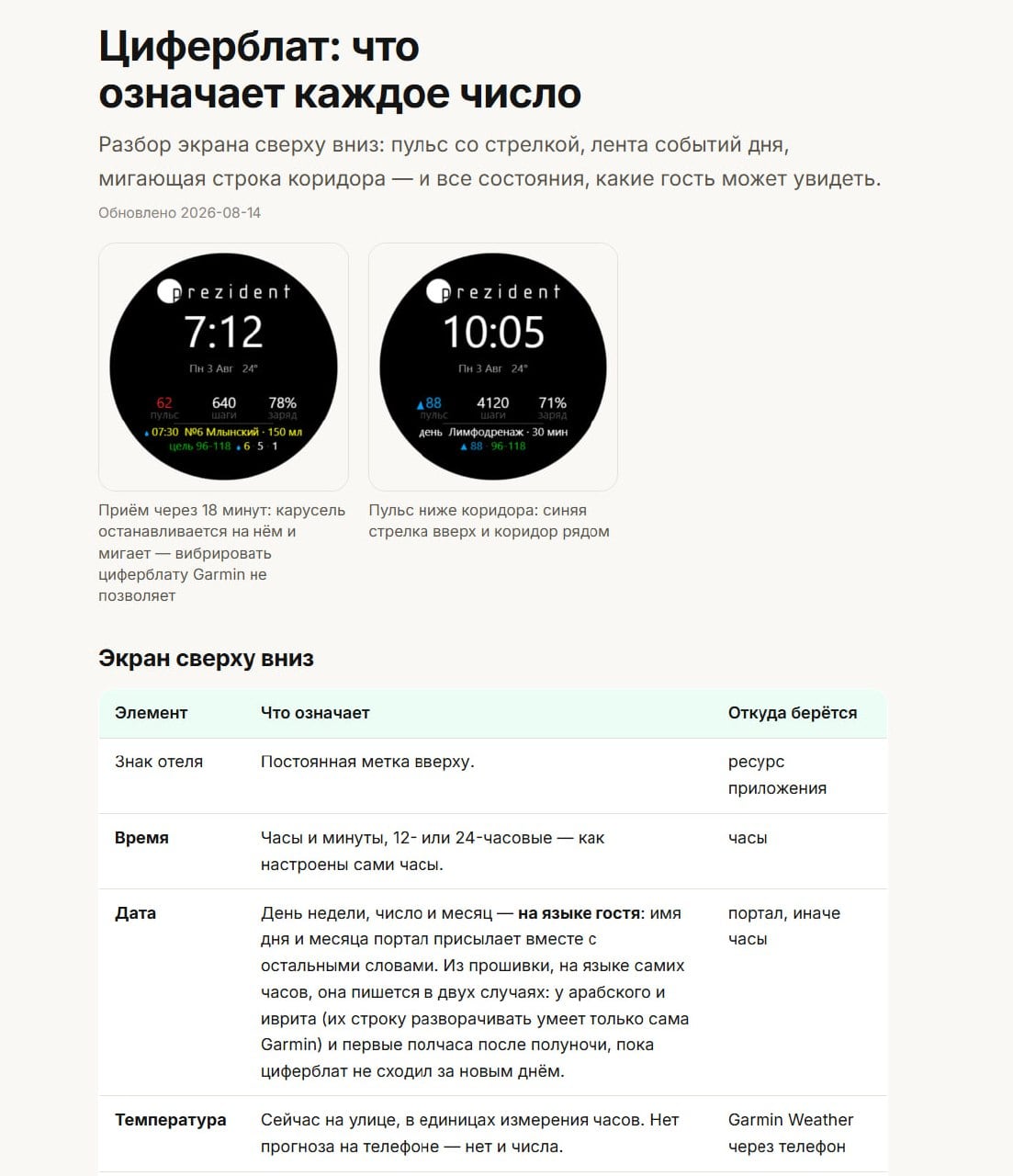
The watch face is designed around a specific user: the screen displays the heart rate range, the next scheduled treatment, and the battery status, tailored to the specific day. Below is the app documentation page: the screens themselves aren't photos of the watch, but rather drawn based on the watch face code, so as to show the designer and client each status without having to track it on a real device.
The second app, Longevity President, works on the synchronization side: during a guest's activity (for example, walking along a route), it transmits data from the watch to the portal, where a map with the track is also visible.
What it looks like in real use
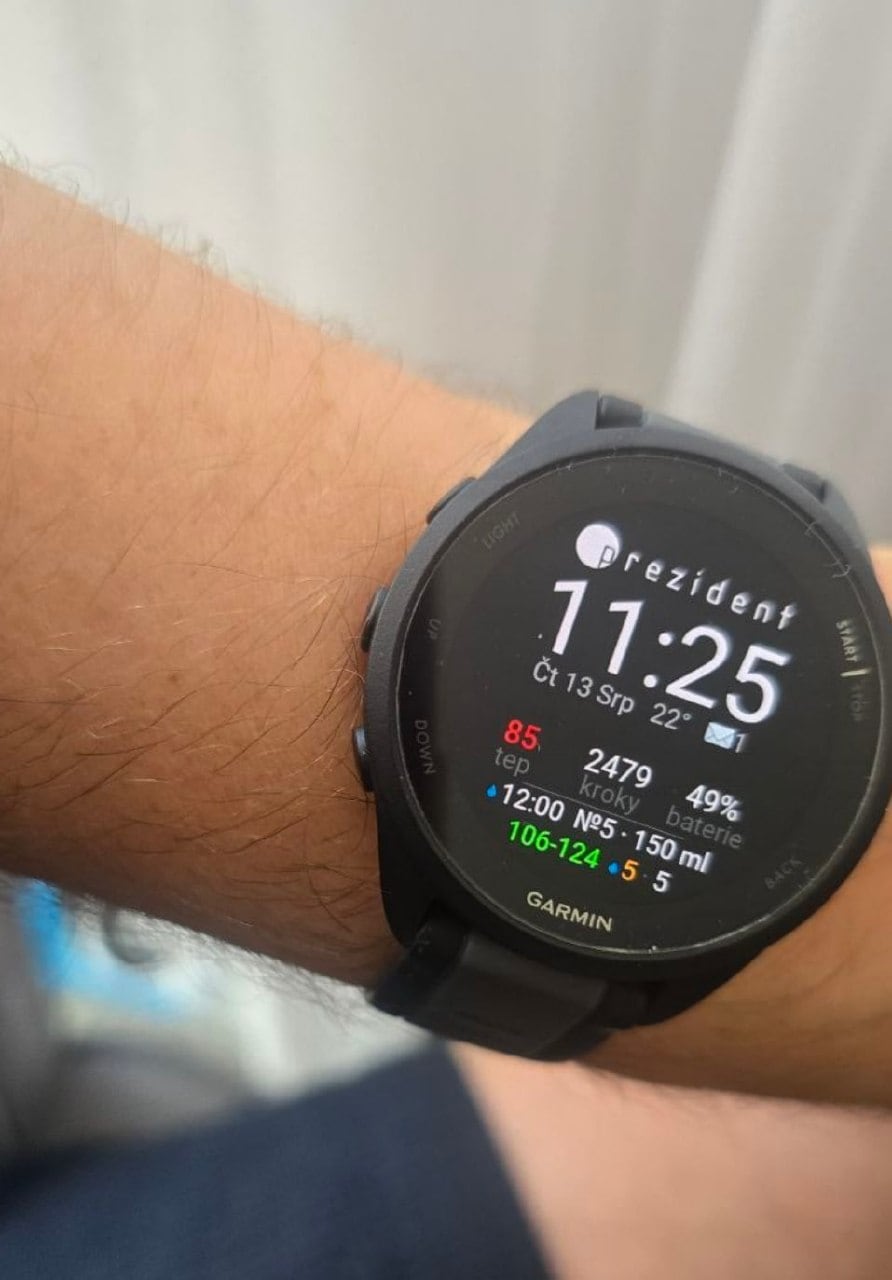
On the guest's wrist, the watch face displays the same information as in the documentation above, but in real-world conditions: time, heart rate, steps, battery life, and a reminder about the next treatment, indicating the required heart rate range. The data from the certified device is ultimately transmitted to the specific person on the wrist.
What did the project end up with and what's next?
Both apps have been moderated and published in the Garmin Connect IQ Store—a working data channel that's ready for use. The developer calls this a practical lesson in wearable integration in a closed ecosystem: the rules of the game are set by the vendor, and the solution must be built within that framework.
Next on the agenda are developing a medical portal and collaborating with hotel wellness clinics, expanding their services by monitoring guests' health and automatically selecting treatments. The Longevity brand, featured in the platform dashboard in the screenshots above, is already in use on the Karlovy Vary resort tourism portal for the President Hotel. There, the Longevity widget and integration with Garmin Connect IQ are presented to guests as two separate services alongside events and weather information. And for a case study on how AI, based on Garmin watch data, automatically selects spa treatments for guests, see the Longevity AI for Hotels and Spa Resorts case study.
In the post itself, the author left the question open and asked readers what other devices or sensors they would like to integrate with health monitoring services. The list of supported devices is currently limited by certification requirements, not technical capabilities.
Who is this workaround suitable for?
Developing a mini-app in a device's closed ecosystem isn't always feasible. It makes sense if:
- the vendor's official API is closed to new requests or is temporarily unavailable due to time constraints;
- it is impossible to change the device due to an external requirement - certification, contract, or the fleet of devices that has already been distributed to users;
- The device ecosystem (like Garmin Connect IQ) generally allows third-party widgets and publishes them without access to a closed API.
If neither of these conditions is met, an open API or free device choice is almost always faster and cheaper than developing and moderating an app in someone else's ecosystem.
Questions and Answers
Why couldn't they simply access the official Garmin API? Access is currently closed to new requests. A request to Garmin Connect Developer was met with a response stating that review and approval of new API access requests is temporarily suspended. According to Garmin forums, the developer estimates that access will likely not be available before the summer of 2027.
Why didn't you switch from Garmin to devices with an open API? The developer proposed this option to the client, but was refused. For a preventive medicine platform, the device must be certified in Europe, and Garmin provides a full package of certification documents. Losing this for an open API would have meant solving a different, more complex problem from scratch.
What do the two apps Garmin has approved do? The first is a custom watch face, the Longevity President Face, which displays key metrics and the hotel's logo. The second is the Longevity President sync app, which transfers data from the watch to the platform. Both are confirmed as standalone apps in the Garmin Connect IQ Store, developed by Longevity.
Is this workaround suitable for every wearable project? No. It's appropriate when the official API is closed or temporarily unavailable, and changing the device is impossible due to an external requirement—like certification in this case. If the API is open or the device selection is unlimited, API integration is almost always faster.
Sources
- The author's post on Telegram channel "Business with AI | Through the Keyhole": https://t.me/promtvibeadd/441
- Longevity President Face app on the Garmin Connect IQ Store: https://apps.garmin.com/apps/522f23dc-b19f-4c47-8504-5da8f3ffb96a
- Sync Longevity President in the same Garmin store: https://apps.garmin.com/apps/2874ad71-527c-4aac-9af7-6929c10a927c
Similar logic works for websites. 1001site AI —an AI agent—creates a website or online store based on your link or description in just a few minutes.
Project links
Discussion
Post and comments in Telegram channelБизнес с ИИ | Через замочную скважину · 21 September 2026
Questions and Answers
Why couldn't you just access the official Garmin API?
Access is currently closed to new requests. A request to Garmin Connect Developer was answered that the review and approval of new API access requests is temporarily suspended. According to industry forums, the developer estimates that access will likely not open before the summer of 2027—waiting almost a year is unacceptable while the platform is already under construction.
Why didn't you switch from Garmin to devices with an open API?
The developer proposed this option to the client but was refused. For a preventive medicine platform, the device must be certified in Europe, and Garmin provides a full package of certification documents. Losing this for an open API would have meant solving a different, more complex problem from scratch.
What do the two Garmin-approved apps do?
The first is the custom Longevity President Face watch face, which displays key metrics and the hotel's logo on the watch screen. The second is the Longevity President app, a data sync and sharing app that transmits data from the watch to the platform. Both are confirmed as standalone apps in the Garmin Connect IQ Store, developed by Longevity.
Is this workaround suitable for any wearable project?
No. It's justified when the official API is closed or temporarily unavailable, and changing the device is impossible due to an external requirement—like certification in this case. If the API is open or the device selection is unlimited, developing a mini-app in a closed ecosystem is an unnecessary step: API integration is almost always faster.
Subscribe to my Telegram channel
In the channel « Бизнес с ИИ | Через замочную скважину», I watch and talk about how clients who have contacted me use AI in their businesses. I encourage discussion—let me know in the comments, and I'll respond directly.
Similar projects
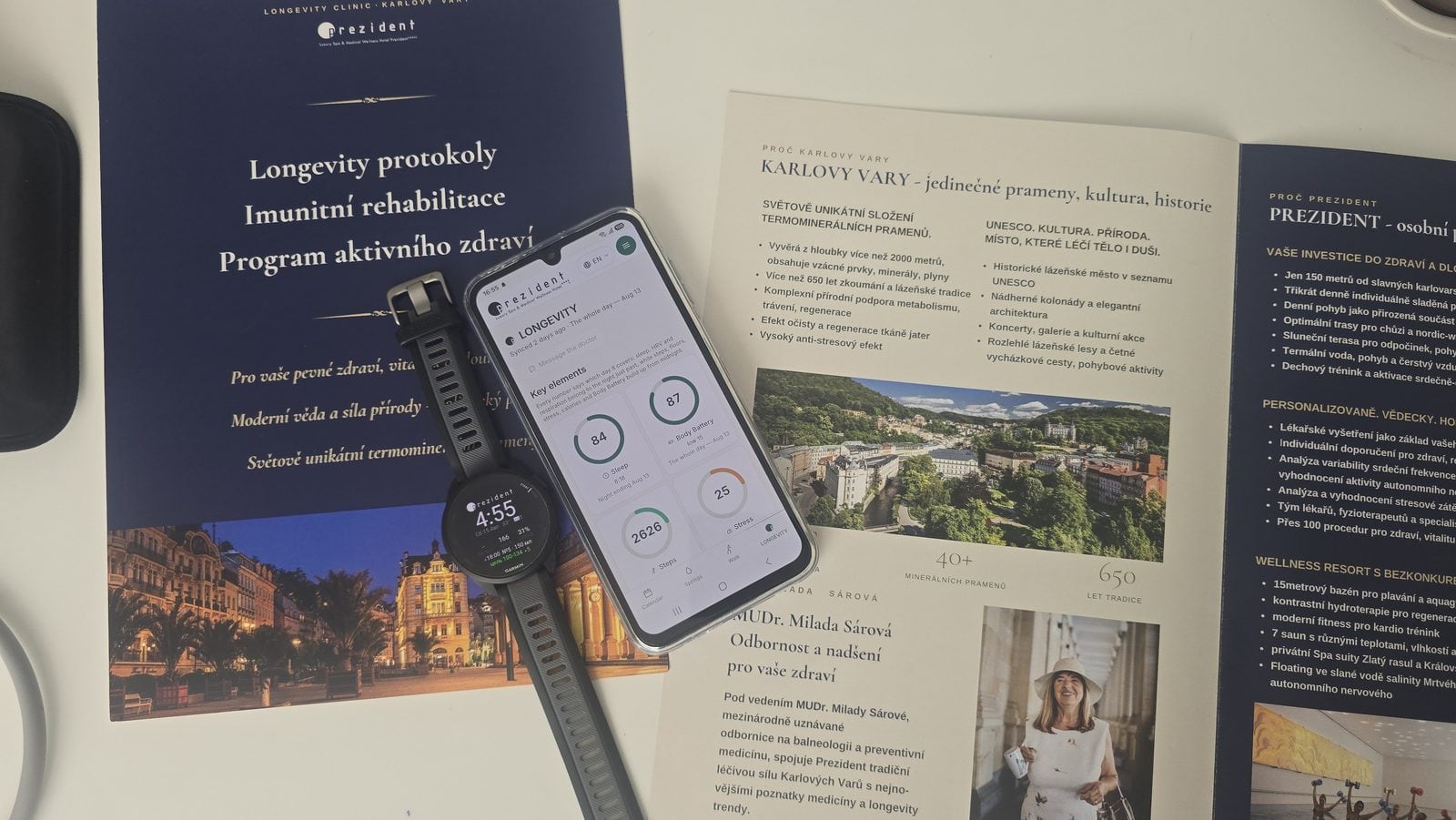
Longev AI (longev.eu): Longevity Resort's white-label platform—AI that, based on Garmin watch data, sells hotel spa services to each guest.
AI reads biometrics from Garmin watches and scales, collects a Ready Score, and offers guests saunas, massages, and the hotel's detox programs; offline health itineraries, photo-based nutritional information, a treatment calendar, 36 languages, 10 Longevity programs, GDPR compliance, and EU servers. Prices: Setup €2,500, Base €800/month, €8 per active guest. Case study: President Luxury Spa & Wellness Hotel, Karlovy Vary.
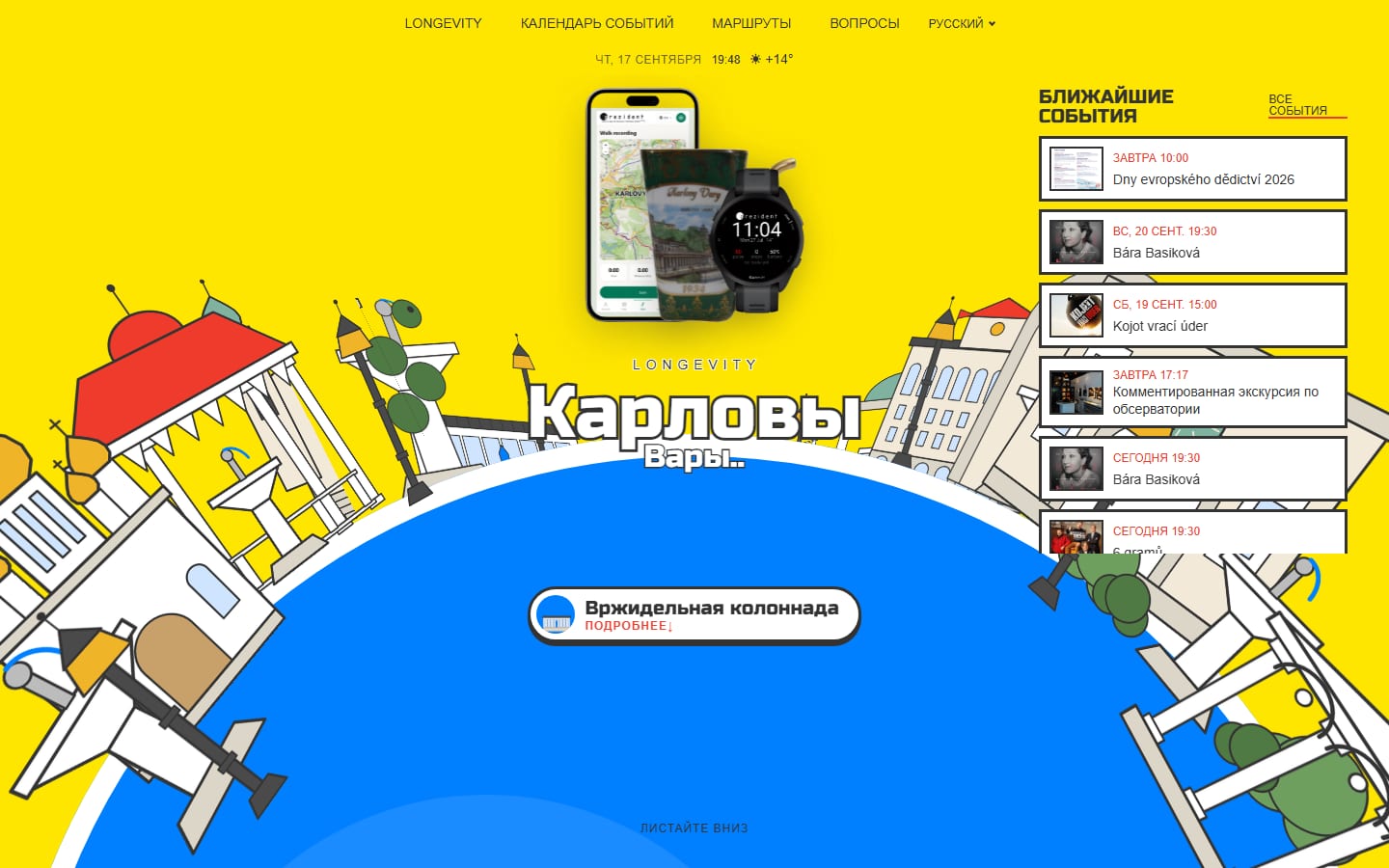
How to Get Your Hotel Featured in ChatGPT, Gemini, and Perplexity in 5 Weeks: A GEO Case Study from Karlovy Vary
Packaging a digital footprint: How a hotel with the Longevity program in Karlovy Vary earned recommendations from ChatGPT, Gemini, and Perplexity. A diagram with the information portal karlovyvary.info and structured content.
Import from 1C for auto dismantling: residuals and barcodes without duplicates
The fourth CRM case for Audi Resource: synchronization with 1C via GUID, balances without duplicates, barcodes and label printing, automatic publication on bulletin boards.