
How to Preserve the Knowledge of Your Technicians: An AI-Based Equipment Repair Handbook
A German customer asked to digitize the knowledge of factory technicians: to compile the settings and repairs for all equipment in a single reference book that would answer questions in a human-readable manner—succinctly and to the point, in their own words, rather than by referring to a thick manual. The solution was a vector knowledge base from the company's documentation, plus Telegram bot with AI on top of it.
What happened: An order I had never heard of before
I didn't even know such projects were commissioned. But the client quickly convinced me: he said competitors were already using AI-powered databases of settings and repairs in production, but he didn't have such a reference book—the knowledge was stored in the heads of experienced adjusters.
What we did: compiled a database of instructions, videos, and equipment
We compiled a vector database of all the company's equipment. We used proprietary manuals, YouTube training videos, and two ready-made services:
- iFixit is a community and database of step-by-step repair and disassembly guides, complete with photos and tips.
- ManualsLib is one of the largest free online libraries of original manuals, datasheets, and schematics in PDF format.
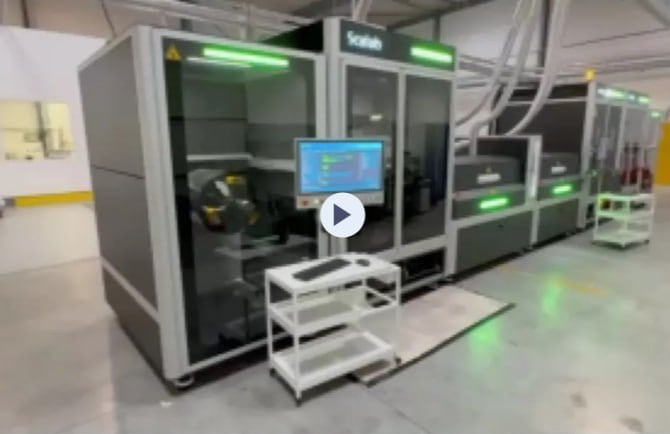
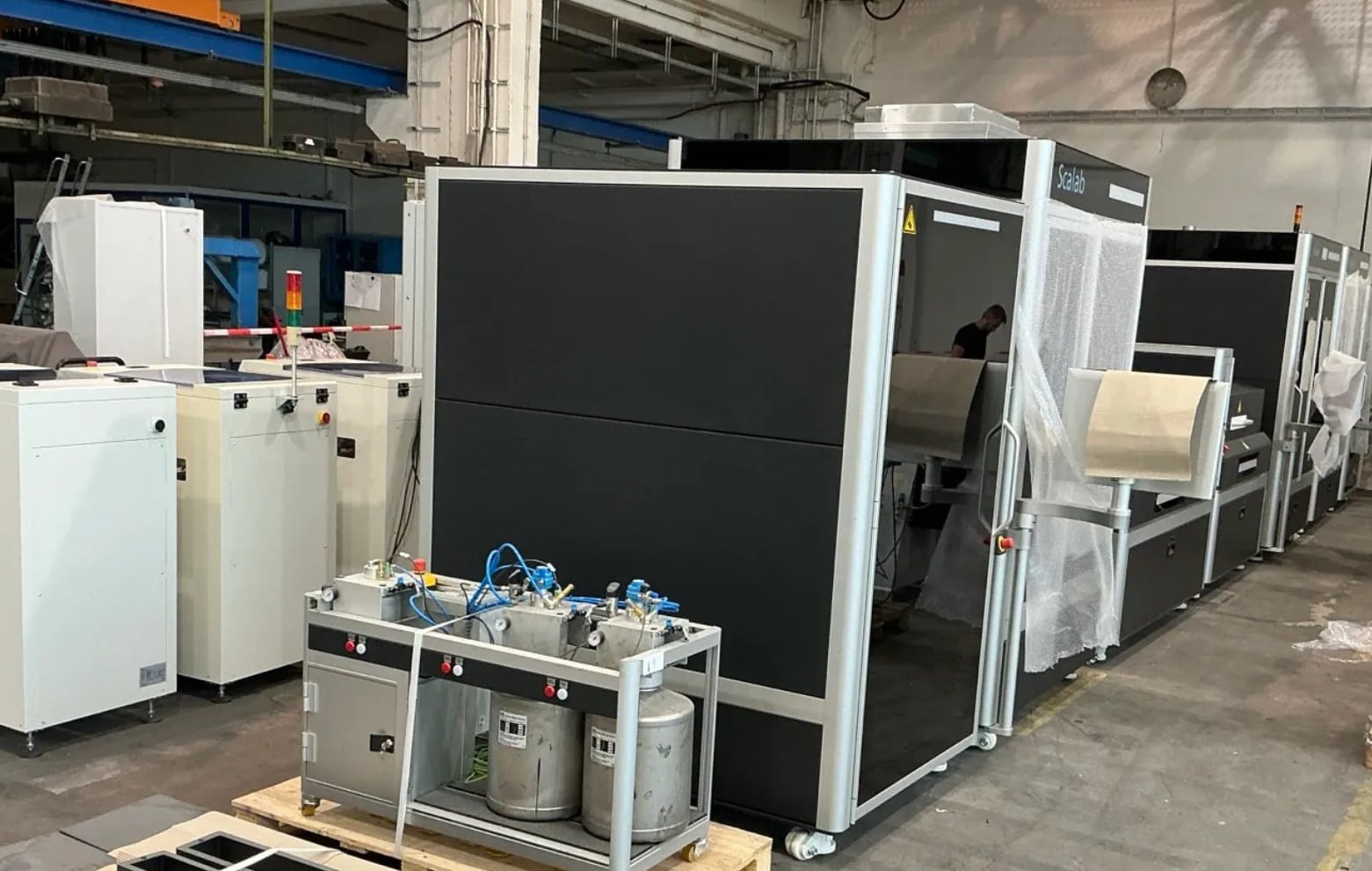
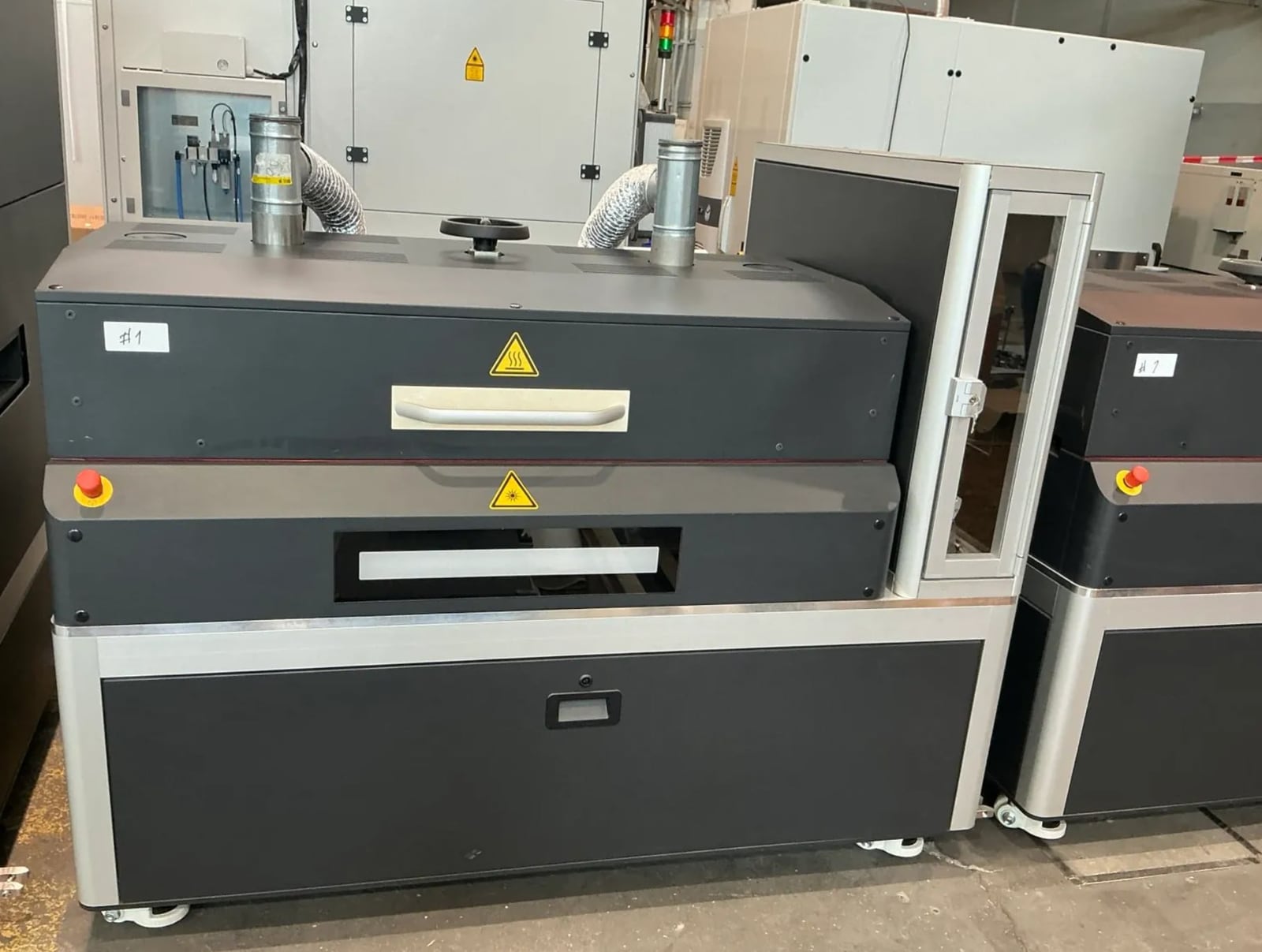
This wasn't just a single machine, but an entire production line: roll unwinding, coating application, heat treatment, laser layer activation, quality control, and winding of the finished material. Each of these units has its own setup logic, and before this project, all the knowledge about it was stored in the heads of the people working on the line—there was no way to compare notes.
This is what part of this line looks like - the equipment for which the reference book was compiled.
The foundation of the database is factory documentation: operating manuals, sections on equipment purpose, safety mechanisms and emergency shutdown, and assembly diagrams. It is these pages that the AI transforms into instant answers, replacing manual searches through paper documents.
The interface for the installer is a regular Telegram chat on the QuestFlow service: you can type or dictate your question, attach a photo, and receive a response with steps.
What is vector search in simple terms?
A standard document search looks for exact word matches: if the word "stuck" isn't in the text, it won't find the required section, even if it exists under a different name. Vector search works differently: documents are broken down into fragments and converted into a numerical representation of their meaning. When a technician asks a question in their own words, the system searches for fragments that are closest in meaning. Therefore, no matter how the question is phrased—"stuck" or "won't move"—the AI will find the required section of the manual.
How it works: from a question or photo to ready-made instructions
AI understands queries of any complexity: from basic setups ("I placed the workpiece, applied a ruler—what next?") to breakdown scenarios. If a problem occurs, the adjuster takes a photo of the component, writes down "why it's not working," and receives instructions with specific steps instead of general advice from the internet. The adjuster doesn't need to know the exact component name or section number—they describe the problem in their own words, as they would explain it to a colleague, and receive an answer based on the company's specific documentation.
Why doesn't the answer confuse equipment models?
The answer is based on the documents of that specific company. A standard language model without such a database could mix in instructions from a similar but different machine, resulting in the setup operator receiving steps that don't apply to their equipment. A vector database limits the AI to the customer's actual documents, preventing it from mixing models and misrepresenting other people's procedures as its own.
How much does it cost and how much time does it save?
This was my first project like this, so I gave a fair estimate: the entire project cost the customer the equivalent of a month's salary for one setup technician. The payback is clear without complicated calculations: a new employee no longer waits for a free setup technician to tear themselves away from the machine and explain things in layman's terms, and experienced specialists are less distracted by repetitive questions. Future similar orders will be simpler and faster—the process is well-established. I believe the time savings come from the little things: in a similar situation, a person would previously have to search for a paper folder with instructions or call a colleague, but now they simply open a chat with the bot.
Who is this AI directory suitable for?
For those who want to digitize the knowledge of all experienced setup operators and consolidate it into a single reference book—and stop depending on one of them retiring at an inopportune moment. This is suitable for any production facility with a diverse fleet of equipment: the more machine models and the less frequently procedures are changed, the faster such a database pays for itself. For a line of one or two machines, it's less practical—an experienced setup operator can already keep track of everything without losing track, but when there are dozens of pieces of equipment from different manufacturers, manual memory becomes unwieldy.
Three signs that this task is right for you:
- A new employee spends weeks following an experienced adjuster instead of working independently.
- The same questions about setup and typical breakdowns are repeated from shift to shift.
- There is documentation for the equipment, but it is scattered: some is on paper, some is in PDF form from the supplier, and some is only in the mind of the person who will soon go on vacation or retire.
If at least one point matches, this is usually enough to recoup the cost of assembling such a base due to the time saved by the adjusters.
What does 1001site AI have to do with this?
This project is about how AI works with real business data. 1001site AI uses the same logic, but for websites: the builder creates a website based on your link or description, and then the dashboard's AI assistant edits the content, responding to your specific needs. The difference is in the task—one is a directory for a workshop, and the other is a website for clients, but the principle of "AI working with your data" is the same. You can try this logic on your website here.
Sources
- QuestFlow - a service for Telegram bots with AI
- iFixit - community and repair guide database
- ManualsLib - a library of manuals and equipment datasheets
- Post and discussion in Telegram channel
You can take a look at how a similar AI platform for Telegram works in the analysis of QuestFlow, which is what the bot for this project is built on.
Questions and Answers
What is a vector knowledge base in simple terms?
Documents are broken into fragments and stored so that the AI can find the right fragment based on the question's context. The answer is compiled from documents specific to your company, not from the model's general knowledge.
Is it possible to add the knowledge of adjusters that is not included in any instructions?
Yes. Voice notes and photos from Telegram are also included in the database, and the AI uses them in subsequent responses along with official documentation.
Is it necessary to train employees to work with such a directory?
The interface is a standard Telegram chat: you type a question in text or voice, and attach a photo. The training takes a couple of minutes, and there's no need to install a special app.
Project links
Discussion
Post and comments in Telegram channelБизнес с ИИ | Через замочную скважину · 21 September 2026
Questions and Answers
What is a vector knowledge base in simple terms?
Documents are broken into fragments and stored so that the AI can find the right fragment based on the question's context. The answer is compiled from documents specific to your company, not from the model's general knowledge.
Is it possible to add the knowledge of adjusters that is not included in any instructions?
Yes. Voice notes and photos from Telegram are also included in the database, and the AI uses them in subsequent responses along with official documentation.
Is it necessary to train employees to work with such a directory?
The interface is a standard Telegram chat: you type a question in text or voice, and attach a photo. The training takes a couple of minutes, and there's no need to install a special app.
Subscribe to my Telegram channel
In the channel « Бизнес с ИИ | Через замочную скважину», I watch and talk about how clients who have contacted me use AI in their businesses. I encourage discussion—let me know in the comments, and I'll respond directly.
Similar projects
Custom CRM with a customer database and decision makers: banchem.sk case study, Slovakia
How a Slovakian pool chemical manufacturer abandoned a paid CRM system and adopted a system with a targeted decision-making base for its niche.

ERP + website + AI-powered Telegram bot for auto dismantling in 6 days
How they built an ERP system, a website with an app, and an AI-powered Telegram bot that records auto parts using photos and voices in just 6 days: a case study by razborkaua.pro.

How a plastic surgery clinic attracts patients with a website and AI
A video feed with work examples on my domain, an AI volume analyzer, and Telegram application system.